
Foundation Excavation Services in New Jersey
Excavation support for residential and commercial foundation digs — soil export, import and export fill, and dozer and excavator service coordinated for the site access and project scope — discussed and confirmed for your specific project, across New Jersey.
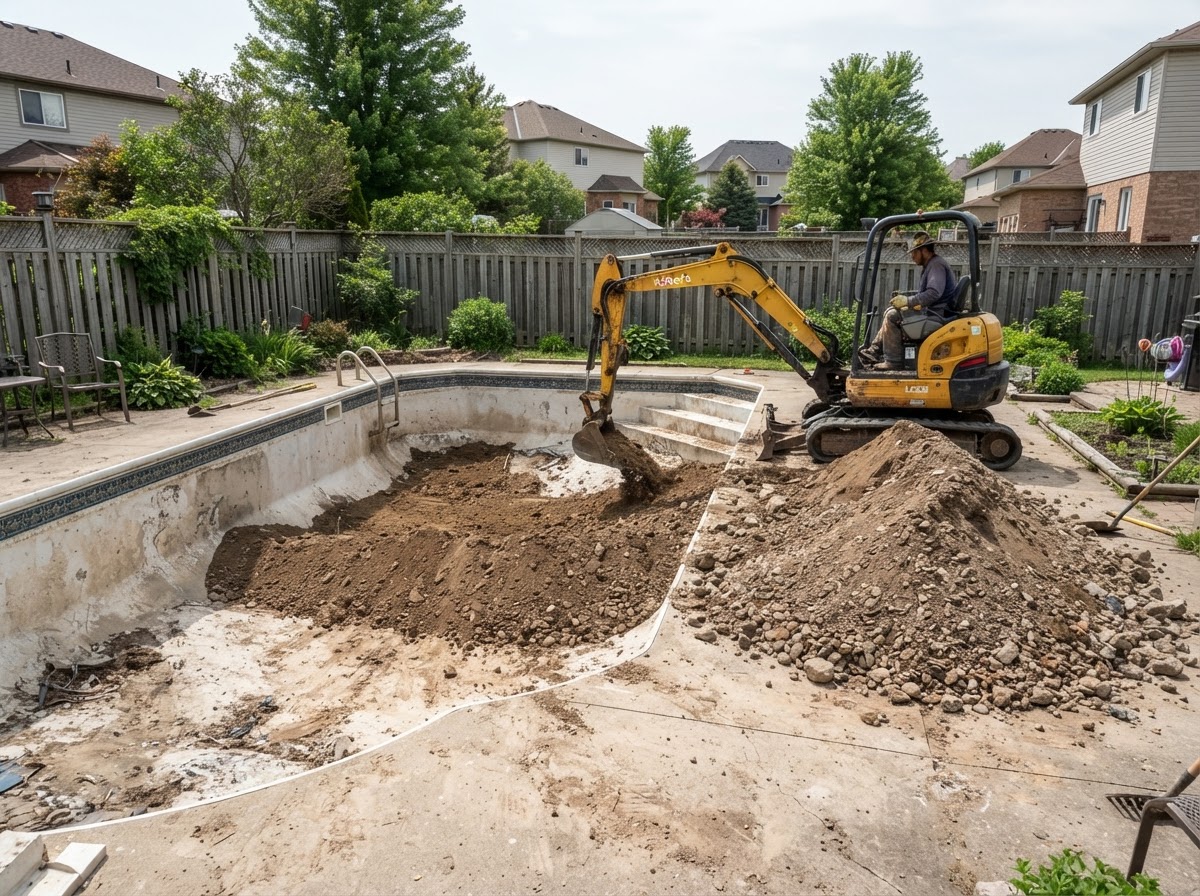
Planning a foundation dig or excavation? Let's review the project.
Foundation excavation projects usually need excavated soil taken out, fill or backfill brought in, and equipment that can reach the site. Core Transport helps homeowners and builders discuss the soil export, material delivery, and equipment and access needs for the excavation — and coordinates the logistics once the scope is reviewed for the project.
Residential foundation digs
Soil export for new home foundation excavations, additions, and basement digs, with loading and truck coordination reviewed for the site access.
Trenching & utility cuts
Excavated material from trenching and utility work, hauled out and coordinated with the project sequence so the cut keeps moving.
Import & export fill
Bringing in clean fill, structural fill, or backfill material and hauling out excess or excavated soil — both directions coordinated together for the project.
Dozer & excavator service
Dozer and excavator service with operators coordinated for the excavation and grading work, sequenced with the material haul.
What helps us review your foundation excavation project
Having these details ready speeds up the review. If any are still unknown, that is completely fine — share what you know and the team will help work through the rest.
- Project town or ZIP
- Project type — new foundation, addition, basement, trenching, or other excavation
- Approximate dimensions or footprint of the excavation, if known — length, width, and depth
- Available plans — whether a foundation plan, grading plan, or site drawing exists for the project
- Existing site conditions — current grade, slope, soil type, or known obstructions
- Access restrictions — driveway width, side yard, overhead wires, weight limits, or street staging
- Soil information — any existing reports, sampling results, or known material concerns
- Contractor involvement — whether a builder, excavator, or general contractor is on the project
- Desired timing for the excavation and material movement
How a foundation excavation project starts
A practical three-step path from first contact to proposed arrangements. No price, availability, or completion time is guaranteed until the review is complete.
1. Share project information
Tell the team your town, the project type, the approximate dimensions, any available plans, the existing conditions, the access, the soil information, who is involved, and the timing. Anything unknown is fine to leave for the review.
2. Review scope, access & material needs
The team reviews the excavation scope, the existing conditions, the material to remove or bring in, and the equipment and access for the individual project — including how the truck and equipment reach the site.
3. Confirm proposed arrangements
You receive an outline of the proposed soil export, fill or backfill delivery, and equipment arrangements for approval. Scope and responsibilities are confirmed for each project before any work is scheduled.
What shapes an excavation review
Every project is reviewed on its own conditions. These are the factors the team weighs when confirming excavation scope and scheduling for your project.
The scope and responsibilities — including what Core Transport handles versus what your builder or excavator handles — are confirmed for each project during the review. Contact Core to confirm the proposed scope and responsibilities before scheduling.
Frequently asked questions
Yes. Tell the team what plans exist and they will review them as part of the project review to understand the excavation scope, dimensions, and access. The inquiry form does not support file attachments, so you can arrange to share drawings directly with the team after you submit the project details.
Explore related services
Planning a foundation excavation?
Share your town, the project type, the approximate dimensions, the access, the soil information, and the timing. The Core Transport team reviews the soil export, fill or backfill delivery, and equipment needs and outlines the proposed arrangements before any work is scheduled.