Soil Hauling in New Jersey
Tri-axle soil hauling and disposal coordination for excavated soil — clean fill, excess material, and regulated soil — with loading support and on-site truck foreman support for commercial and residential excavation projects across New Jersey.
Soil hauling for contractors, developers, and homeowners
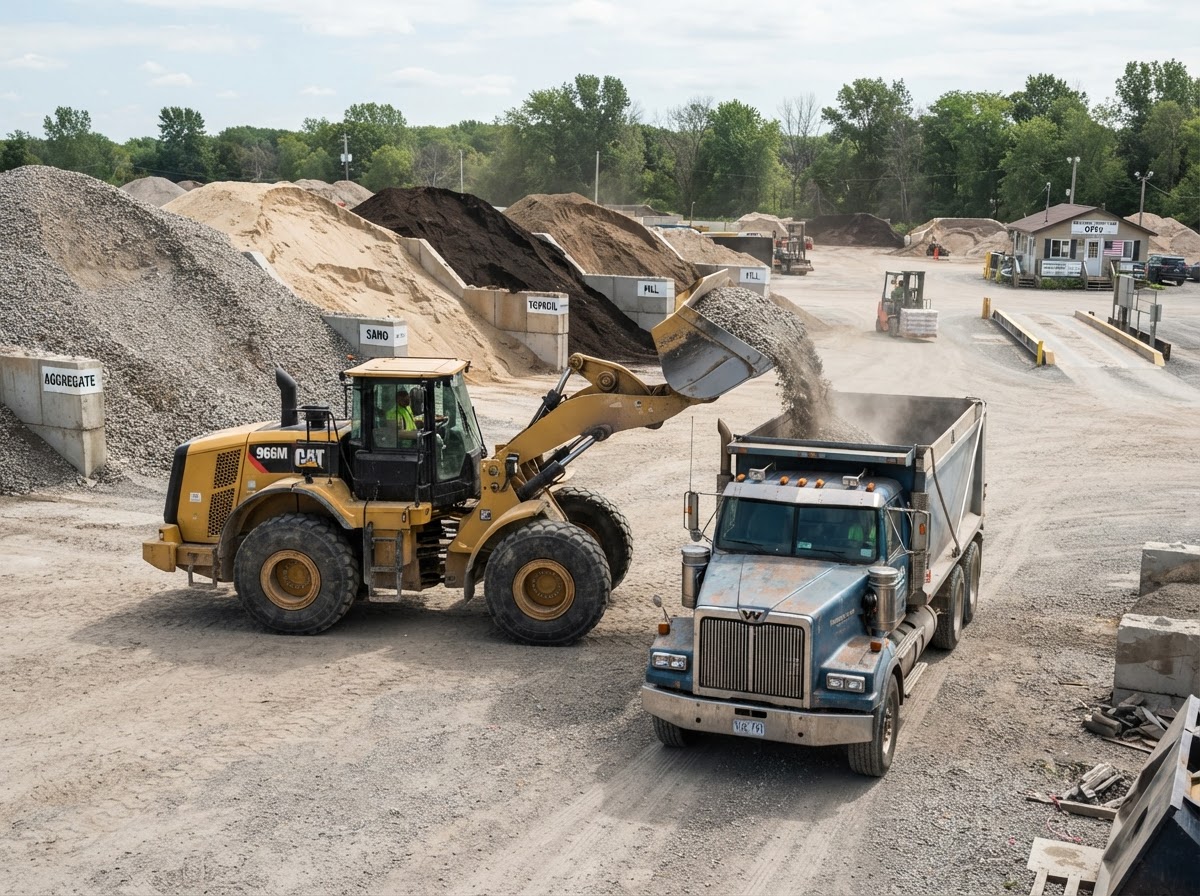
Core Transport coordinates the trucking and disposal coordination needed to move excavated soil off your site — with loading support and on-site truck foreman support — keeping the excavator cycling and material moving without hauling delays or gate turnaways. As an A-901 permitted New Jersey solid-waste transporter, Core Transport arranges disposal through permitted receiving facilities.
Commercial excavation & mass grading
Exporting soil from foundation excavations, utility trenches, site cuts, and mass grading for active jobsites.
Residential soil removal
Hauling away excavated soil from yard leveling, foundation digs, drainage work, and pool excavations.
Excess fill & material management
Moving surplus clean or excess soil off site so your project keeps progressing without staging delays.
Appearance alone does not establish classification
Not all excavated soil qualifies as clean fill. Whether material can be reused, recycled, or must be disposed of as regulated soil depends on its classification, which is assessed for the individual project — not by how it looks.
Clean / unregulated fill
Soil that meets applicable standards and the receiving facility's requirements may be directed to beneficial reuse or clean fill destinations. NJDEP guidance defines clean fill as material that meets soil remediation standards and contains no extraneous debris.
Regulated or potentially impacted
Soil with known or suspected contamination — including historic fill or petroleum-impacted material — may require classification, documentation, and transport to a permitted receiving facility. This is reviewed separately and coordinated through the contaminated soil process.
What helps us review your hauling request
Having these details ready speeds up the logistics review. If any are still unknown, that is completely fine — share what you know and the team will help work through the rest.
- Project town or ZIP code
- Approximate quantity — and whether it is measured in tons or cubic yards
- Available material information or testing documents, if any
- Loading equipment availability on site
- Site access constraints — turning radius, overhead wires, weight limits, staging
- Desired timing
How loading, staging, and truck access are coordinated
Moving soil efficiently depends on more than the trucks. Core reviews the loading, staging, and access conditions for your site so the haul matches your excavation sequence.
Equipment availability
Whether loading equipment and an operator are on site or need to be supplied, including dozer and loading support and an on-site truck foreman to manage loading and truck flow.
Staging & truck access
Truck turning radius, overhead wires, weight limits, and street staging space — so the right trucks reach the site and load without halting the excavator.
Scheduling & receiving
Dispatch timing matched to your excavation sequence, and receiving arrangements confirmed with the destination facility before trucks roll.
How a soil hauling project starts
A practical three-step path from first contact to proposed logistics. No price or availability is guaranteed until the review is complete.
1. Inquiry
Share the project town, material, approximate quantity, and timing. Existing soil reports or lab analyses help but are not required to start.
2. Scope & material review
The team reviews the material type and any available testing information, confirms loading and site-access needs, and assesses receiving options for the individual project.
3. Proposed logistics
You receive a logistics outline with suitable truck, loading, and disposal arrangements and dispatch timing for approval before any work is scheduled.
What shapes a soil hauling estimate
Every project is reviewed on its own conditions. These are the factors the team weighs when outlining your hauling arrangement.
Pricing is provided per ton or per load once the material, distance, and site conditions are confirmed. Share your project details and the team will outline the arrangement for your approval.
Frequently asked questions
No. Whether excavated material qualifies as clean fill depends on the site history and the material's classification, which is assessed for the individual project. NJDEP distinguishes soil that meets its soil remediation standards from regulated or 'restricted use' material — appearance alone does not establish classification or acceptance. Share whatever site history or lab reports you have so the team can confirm the right classification and destination.
Explore related services
Full commercial hauling & disposal overview
Material review & disposal coordination
Discuss sampling, analysis & site history
On-site foreman & loading coordination
What to prepare before requesting a quote
Phone, email & project inquiry form
Tell Us What Needs to Move.
Whether you are planning bulk commercial soil export, have suspected contaminated material requiring testing and classification, or need aggregate and fill delivered to your jobsite, our team will review the details and outline next steps.
Need quick equipment dispatch, truck scheduling, or have a tight excavation deadline? Calling directly is fastest.
What happens after you submit:
- Review of scope & location: We confirm hauling distance, equipment needs, and site access.
- Material classification & destination: We identify appropriate legal receiving facilities or approved delivery sources.
- Clear proposal & logistics plan: You receive pricing per ton or tri-axle load with scheduled dispatch timing.